Discover Healing Through Children's Books
In a world filled with challenges, children's books offer a unique way to heal. They provide comfort, understanding, and a sense of belonging. These stories can help children navigate their feelings and experiences. They can also be a source of joy and inspiration.
Reading is not just about entertainment; it can be a powerful tool for emotional growth. Children's books often tackle complex themes in a way that is accessible and relatable. This makes them perfect for both kids and adults seeking solace.
In this post, we will explore how children's books can aid in healing. We will look at specific examples, themes, and the impact these stories can have on young minds.
The Power of Storytelling
Storytelling has been a part of human culture for centuries. It allows us to share experiences and emotions. For children, stories can be a safe space to explore their feelings.
When children read about characters facing challenges, they can see their own struggles reflected. This connection can be comforting. It helps them understand that they are not alone.
For example, in the book The Invisible Boy by Trudy Ludwig, a young boy feels overlooked and invisible. Through the story, he learns the importance of friendship and kindness. This narrative can help children who feel isolated find hope and connection.
Themes of Healing in Children's Literature
Children's books often explore themes of healing and resilience. Here are some common themes found in these stories:
Friendship: Many books highlight the importance of friendship in overcoming challenges. Friends can provide support and understanding during tough times.
Courage: Stories that focus on bravery can inspire children to face their fears. Characters who show courage can motivate young readers to be brave in their own lives.
Loss and Grief: Books that address loss can help children process their feelings. They provide a way to talk about difficult topics in a gentle manner.
Self-Discovery: Many stories encourage children to explore their identities. This journey can lead to greater self-acceptance and confidence.
Each of these themes can resonate deeply with children. They offer valuable lessons and insights that can aid in emotional healing.
Examples of Healing Through Books
Let's take a closer look at some specific children's books that exemplify healing themes.
1. The Kissing Hand by Audrey Penn
This beloved story follows a young raccoon named Chester. He is nervous about starting school. His mother helps him by giving him a "kissing hand," a way to feel her love even when they are apart.
This book is perfect for children facing separation anxiety. It reassures them that love is always present, even when loved ones are not physically close.
2. The Rabbit Listened by Cori Doerrfeld
In this touching story, a young boy named Taylor experiences a loss. He builds a tower that eventually falls down. Various animals come to offer their advice on how to fix it. However, it is the rabbit who simply listens that helps Taylor heal.
This book teaches the importance of being present for others. It shows that sometimes, just listening is the best way to help someone through their pain.
3. A Sick Day for Amos McGee by Philip C. Stead
Amos McGee is a kind zookeeper who always takes care of his animal friends. When he falls ill, they return the favor by visiting him. This story highlights the themes of friendship and caring for one another.
It reminds children that it is okay to ask for help and that friends will be there in times of need.
4. The Color Monster by Anna Llenas
This interactive book helps children understand their emotions. The Color Monster experiences different feelings represented by various colors. Each color corresponds to a specific emotion, such as happiness, sadness, and anger.
This book is a great tool for teaching children about emotional awareness. It encourages them to express their feelings in a healthy way.
The Role of Parents and Caregivers
Parents and caregivers play a crucial role in a child's reading journey. They can help guide children toward books that resonate with their experiences.
Here are some tips for parents:
Read Together: Sharing stories can create a bonding experience. It allows for discussions about feelings and experiences.
Ask Questions: Encourage children to talk about the characters and their emotions. This can help them process their own feelings.
Be Open: Share your own experiences with emotions. This can help children feel more comfortable discussing their feelings.
Create a Safe Space: Make reading a cozy and inviting activity. This can help children feel secure while exploring complex themes.
The Impact of Illustrations
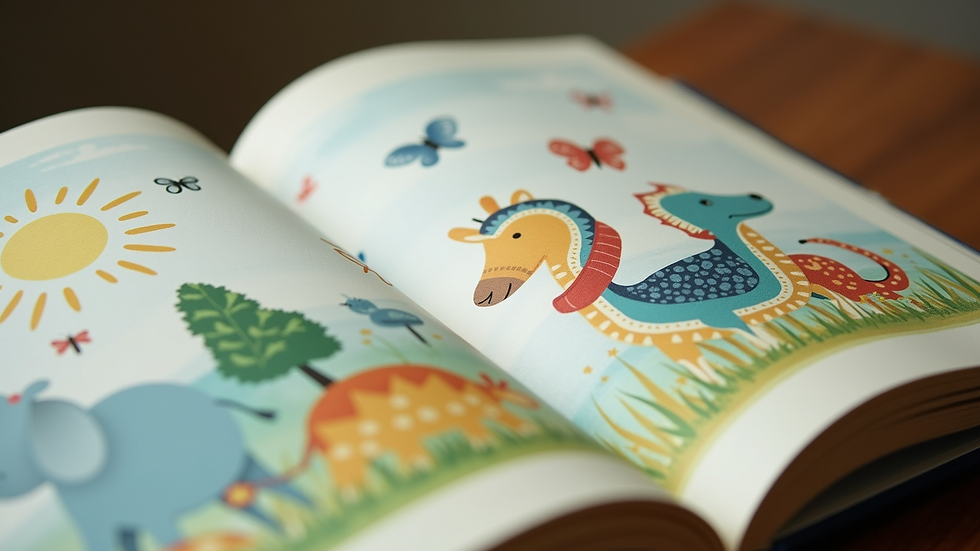
Illustrations in children's books also play a significant role in healing. They can evoke emotions and enhance the storytelling experience.
For example, soft colors and gentle images can create a calming effect. Bright, vibrant illustrations can inspire joy and excitement.
Books like The Very Hungry Caterpillar by Eric Carle use colorful illustrations to engage young readers. The visuals help convey the story's themes of growth and transformation.
Building a Library of Healing Books
Creating a collection of healing children's books can be beneficial for families. Here are some suggestions for building a library:
Diverse Themes: Include books that cover various themes, such as friendship, loss, and self-discovery.
Age-Appropriate Choices: Select books that are suitable for your child's age and reading level.
Include Classics and New Releases: Mix timeless classics with contemporary stories to provide a well-rounded selection.
Encourage Recommendations: Ask teachers, librarians, and friends for their favorite healing books.
The Lasting Effects of Reading
The benefits of reading children's books extend beyond childhood. The lessons learned can stay with children as they grow.
Reading can foster empathy, resilience, and emotional intelligence. These skills are essential for navigating life's challenges.
As children encounter various situations, the stories they read can serve as a guide. They can draw on the lessons learned from their favorite characters.
A Journey of Healing Through Stories
In conclusion, children's books are more than just stories. They are powerful tools for healing and understanding.
Through relatable characters and engaging narratives, these books can help children process their emotions. They provide comfort and connection in times of need.
Encouraging a love for reading can open doors to emotional growth. By exploring the themes of friendship, courage, and self-discovery, children can find solace in the pages of a book.
So, the next time you pick up a children's book, remember its potential to heal. Embrace the journey of discovery and growth that awaits within those pages.


Comments